Hidden Costs Of Cheap Homes
Affordable listings can become costly once taxes, insurance, repairs, and upkeep are included.
Mar 24th, 2026
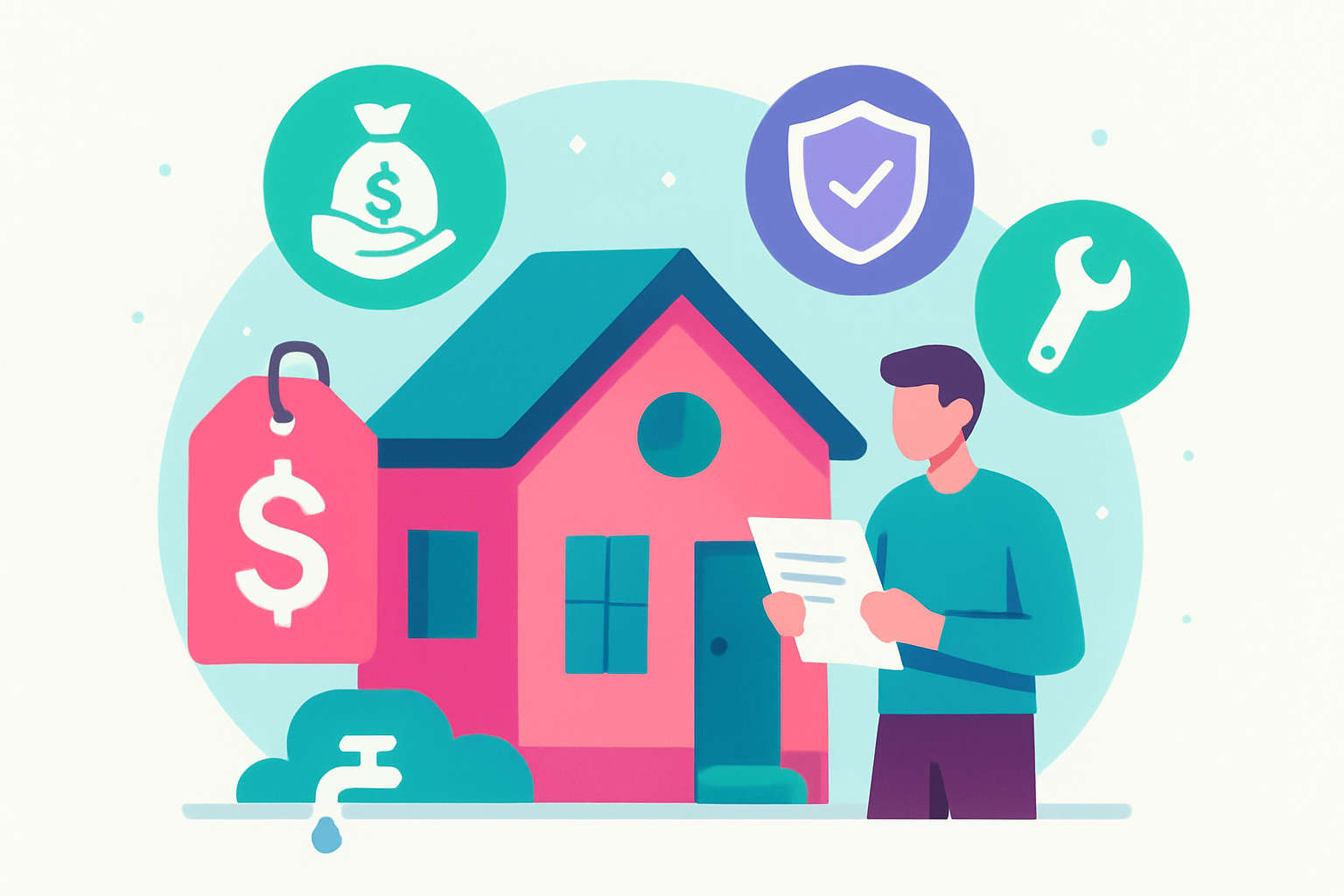
Affordable on Paper, Expensive in Practice
In a housing market where every dollar counts, a home that seems budget-friendly can feel like a win. But the latest guidance from housing experts makes clear that the sticker price is only the start of the story. A property that looks attainable at first glance may come with a long list of added expenses that gradually chip away at the savings buyers thought they had found.
The larger point is straightforward: affordability is not just about the monthly mortgage estimate. It also depends on taxes, insurance, maintenance, location, and the home’s condition. For buyers trying to make their budgets stretch, those factors can mean the difference between a manageable purchase and a financial burden.
The Hidden Costs Behind the Listing Price
A low asking price can be deceptive if the home carries expenses that are easy to miss during the search. Buyers often concentrate on whether they can qualify for the loan, but that is only one piece of the equation. The true cost of ownership can climb quickly once the home is theirs.
Several factors can quietly push a seemingly affordable home out of reach:
• Higher property taxes than expected
• Insurance premiums that reflect the home’s age or location
• Repairs needed soon after closing
• Ongoing maintenance for older systems and materials
• Utility bills that are higher than average
These costs do not always appear in the listing, which is why buyers need to look beyond the headline price and weigh the full financial picture.
Repairs That Arrive Early
One of the biggest risks in buying a lower-priced home is taking on deferred maintenance. A house may look like a bargain because the seller priced it competitively, but the savings can vanish if major systems need attention right away. Roofs, plumbing, heating and cooling equipment, and electrical components are among the items that can create immediate costs.
Even cosmetic issues can be a warning sign. A home that needs fresh paint or new flooring may also have deeper problems hidden underneath. The article’s central message is not that buyers should avoid older or cheaper homes altogether, but that they should understand what they are taking on before they commit.
Location Can Change the Math
A home’s address can shape its long-term affordability just as much as the asking price. Taxes, insurance, commuting costs, and access to services all vary by area. A house that seems inexpensive in one neighborhood may end up being less affordable than a pricier home elsewhere once all the recurring expenses are counted.
That matters especially for buyers comparing homes across different parts of a metro area. A lower purchase price in a less convenient location may bring longer travel times, higher transportation costs, or fewer nearby amenities. Those tradeoffs can add up over time and affect the true cost of living there.
Financing Is Only Part of Affordability
Many buyers begin with a mortgage calculator and stop there. But a loan estimate does not capture the full burden of ownership. The monthly payment may fit the budget, yet the home can still become expensive if taxes, insurance, and repairs are significant.
That is why experts advise buyers to research carefully before making an offer. A home should be treated as a long-term financial commitment, not just a way to secure a lower monthly payment. The difference matters most for first-time buyers, who may be especially focused on getting into the market and less prepared for the costs that follow closing.
Why the Cheapest Option Can Cost More
The appeal of a lower price is easy to understand, especially when housing remains difficult to afford. But a bargain purchase is not always the better deal. In some cases, a home with a higher upfront price may cost less over time because it is newer, better maintained, or located in an area with lower recurring expenses.
That is the core tension in the article: affordability can be misleading. Buyers may think they are making a smart move by choosing the least expensive home available, only to find that the savings were short-lived. What seemed like the easiest path into homeownership can become the most expensive route once all the hidden obligations are included.
Research Before You Commit
The article’s advice is less about caution for its own sake and more about informed decision-making. Buyers who take time to investigate a property’s condition and ownership costs are better positioned to avoid surprises. That means looking closely at inspection findings, asking about utility history, and understanding the tax and insurance outlook before moving forward.
It also means treating the purchase as a full budget exercise rather than a simple price comparison. A home that fits the mortgage payment may still strain a household if it requires frequent repairs or carries unusually high operating costs. Careful research can help buyers separate a real opportunity from a false bargain.
A Broader Lesson for Today’s Buyers
The housing market continues to reward patience and scrutiny. In a climate where affordability is already a challenge, the temptation to grab the lowest-priced option is strong. Yet the article makes clear that the cheapest home on the market is not necessarily the most affordable one to own.
That lesson extends well beyond any single listing. Buyers who understand the difference between purchase price and total cost are more likely to make choices that hold up over time. In the end, the smartest deal is not the one that looks cheapest at first glance, but the one that remains manageable after the closing papers are signed.