Spring Stalemate
Housing Market Slowdown
Apr 19th, 2025
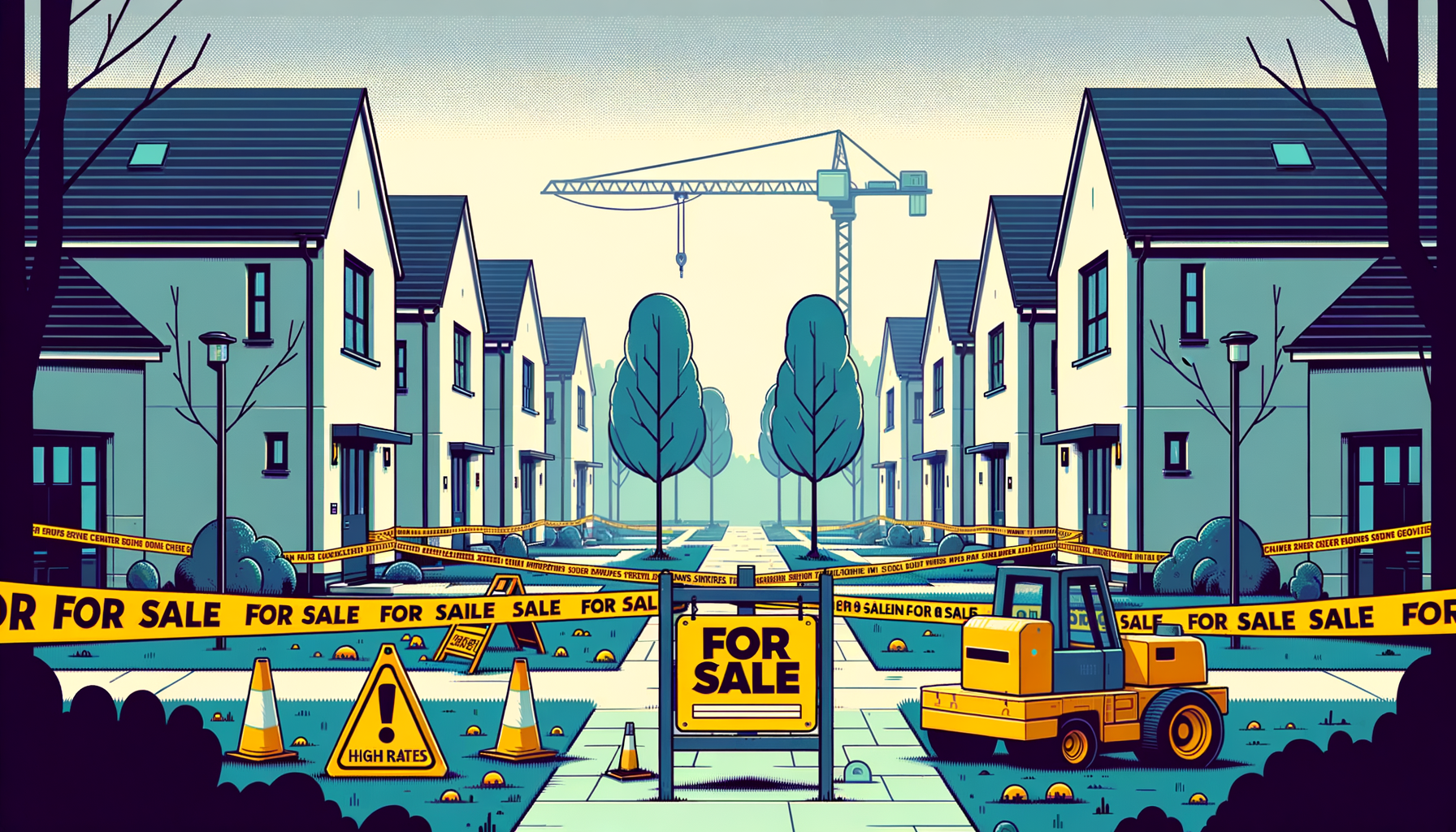
Spring Selling Season Under Pressure
Gone are the days of bidding wars and record‑speed purchases that typically herald spring’s housing market. This year, a trio of factors—faltering consumer confidence, climbing borrowing costs, and looming tariff disputes—has many buyers and builders hitting the pause button.
Key Headwinds Facing Homebuilders
* Consumer confidence has slipped to multi‑year lows, sidelining both first‑timers and move‑up buyers.
* D.R. Horton trimmed its revenue forecast to $33.3–34.8 billion after missing Q1 earnings targets.
* Elevated home prices and tighter household budgets are making affordability a persistent stumbling block.
Builders on Edge Amid Tariff Uncertainty
* Swings in steel and aluminum prices are keeping builders on high alert as new duties threaten to bite.
* The NAHB/Wells Fargo Housing Market Index inched up to 40 in April—still a distant echo of boom‑time levels.
* Many industry leaders, including D.R. Horton’s CEO, are taking a cautious “wait and see” approach until trade tensions cool.
Mortgage Rates Climb, Straining Affordability
* The average 30‑year fixed rate jumped 20 basis points last week to 6.81%, its highest mark in two months.
* That uptick has pushed monthly payments well above pre‑pandemic norms, chipping away at buyers’ purchasing power.
* Mortgage applications have tapered off as potential homeowners hesitate to lock in loans amid rate volatility.
Forecast: A Slow Unwind Through Summer
* Housing starts and home sales are expected to plateau or dip slightly as builders absorb new cost pressures.
* Some developers may dial back on new communities or pivot toward more affordable, entry‑level homes.
* If tariffs persist or rates climb further, the market could slump well into autumn.
All told, the collision of tariff jitters, fierce competition for a smaller pool of buyers, and higher borrowing costs points to a spring housing season quieter than recent memory. While demand will persist in hot-job markets and areas with tight supply, the broader industry seems locked in a holding pattern until policymakers provide clearer signals and rate relief arrives.