Naples Gains Luxury Momentum
Naples is attracting ultra-wealthy buyers as mortgage rates and credit tighten.
May 5th, 2026
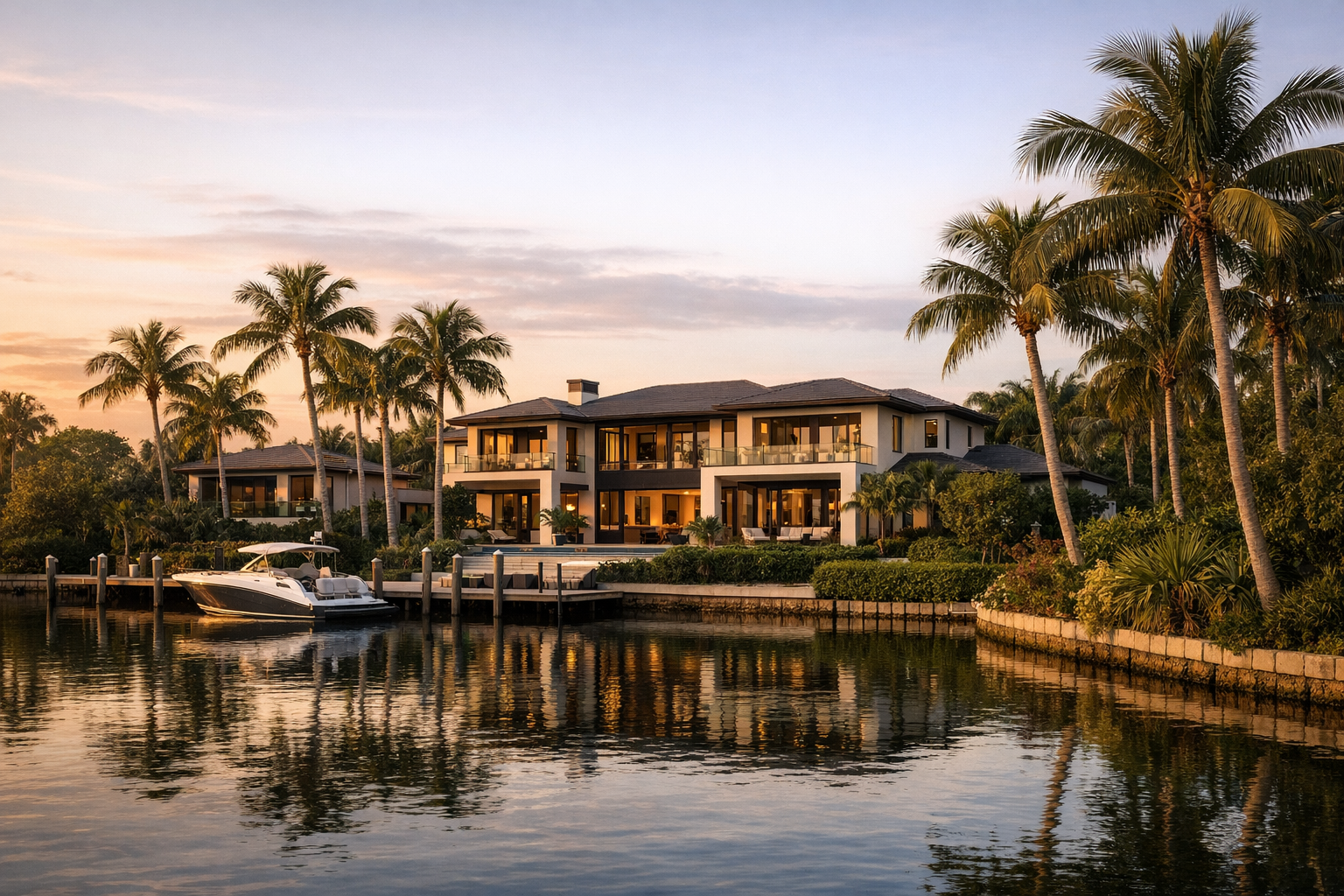
Naples is no longer just a polished Gulf Coast retreat for retirees and second-home buyers. It is emerging as a serious destination for ultra-wealthy households that might once have focused only on Miami, Palm Beach, or Manalapan. At the same time, the broader housing market is contending with a modest uptick in mortgage rates and a more complicated credit environment tied to global tensions. Together, those forces point to a luxury segment that remains active even as financing conditions and economic uncertainty create drag elsewhere.
Naples Steps Into a New Wealth Tier
For years, Naples has been known for its beaches, golf, and high-end but relatively understated lifestyle. Now it is drawing notice as a competitor to Florida’s better-known ultra-luxury enclaves. The appeal is not just the scenery. Buyers with significant wealth are increasingly seeking privacy, larger properties, and a quieter setting than the state’s flashier coastal markets.
That shift matters because it suggests Naples is moving beyond its traditional identity. Instead of serving mainly as a comfortable destination for affluent seasonal residents, it is gaining traction as a place where top-tier wealth is being placed into substantial real estate holdings. In a state already crowded with luxury demand, that is a meaningful change.
Why the Ultra-Wealthy Are Looking West
The articles point to a broader migration of high-end interest across Florida, with buyers seeking waterfront estates and large compounds in exclusive communities. Naples benefits from that same appetite for space, water access, and privacy. Its more subdued profile may actually be part of the draw. For some buyers, less visibility is an advantage, not a drawback.
This is a market where image still matters, but discretion may matter more. Naples offers a different kind of prestige: less scene-driven than Miami, less historically associated with old-money power than Palm Beach, yet increasingly able to compete on property quality and exclusivity. That combination can be especially appealing to wealthy buyers who want luxury without the constant spotlight.
A Market With Different Luxury Rules
Naples is not simply following the playbook of South Florida’s most famous enclaves. Its rise appears to be shaped by a different kind of luxury demand, one centered on calm, space, and a more residential feel. That can create a distinct market dynamic, where the most desirable properties are not just expensive but also scarce and closely matched to a particular lifestyle.
• Waterfront access remains a major draw
• Privacy and larger lots carry premium value
• A quieter setting can be a competitive advantage
The result is a luxury market that feels less performative and more personal. Buyers at this level are often deciding based on how they plan to live, not just where they want to be seen. Naples seems well positioned for that kind of purchase.
Mortgage Costs Edge Higher Again
Outside the ultra-luxury niche, financing conditions continue to matter. Freddie Mac reported that the average 30-year fixed mortgage rose to 6.30% for the week ending April 30, 2026, up from 6.23% the week before. That is not a dramatic jump, but it is enough to keep pressure on affordability and monthly payments.
Even small rate changes can influence buyer behavior, especially in the middle market. Higher borrowing costs can reduce purchasing power, delay decisions, or push buyers to rethink price ranges. In that sense, the latest move higher is a reminder that the housing market is still operating under tighter financial conditions than it did during the ultra-low-rate era.
Demand Has Not Fallen Apart
Despite the rate increase, Freddie Mac said buyer demand remains solid. That matters because it suggests the market is adapting rather than freezing. Some buyers are still moving forward, either because they have stronger financial footing or because life circumstances are forcing a purchase regardless of rates.
This resilience is especially relevant in luxury markets, where many buyers rely less on mortgage financing. In places like Naples, a higher-rate environment may have less impact on the top end than it does in the broader market. Wealthier purchasers can often absorb financing costs more easily, or bypass them altogether, which helps explain why high-end demand can stay active even when national borrowing costs drift upward.
Geopolitics Adds Another Layer of Pressure
The third article introduces a different kind of strain: global conflict and supply disruption. Tensions involving the U.S. and Iran, along with the closure of the Strait of Hormuz, are feeding a worldwide economic ripple effect. The consequences extend beyond energy markets and into everyday costs, from fuel to pharmaceuticals and other goods.
That kind of shock can eventually reach housing indirectly. If consumers face higher living expenses, lenders may become more cautious and households may feel less comfortable taking on new debt. The article also notes that banks and lenders are tightening in response, which can affect credit scores and mortgage applications. In other words, even buyers who are ready to move may find the approval process less forgiving.
What It Means for Buyers and Sellers
The combination of rising rates, global uncertainty, and a still-active luxury segment creates a split-screen market. At the top end, places like Naples can continue to attract buyers seeking trophy properties and privacy. In the broader market, however, affordability and financing remain real hurdles.
• Luxury demand can outlast rate pressure
• Middle-market buyers are more exposed to borrowing costs
• Credit tightening can slow approvals even when demand exists
For sellers, that means pricing and presentation still matter, but so does understanding which segment of the market they are in. A waterfront estate in Naples may appeal to a buyer who is less sensitive to mortgage changes. A more typical home purchase, by contrast, may be far more affected by rising monthly costs and stricter lending standards.
Naples as a Signal, Not an Outlier
Naples’ ascent is more than a local story. It reflects how luxury real estate is evolving in Florida: less concentrated in a few famous zip codes, more open to secondary prestige markets that offer privacy and scale. At the same time, the mortgage market and global economy are reminding everyone that housing does not operate in a vacuum.
The limited source coverage here leaves some questions unanswered, especially about inventory levels, price trends, and transaction volume in Naples itself. Still, the direction is clear enough. Wealthy buyers are widening their search, borrowing costs are inching higher, and outside forces are making lending more cautious. In that environment, Naples stands out as a market whose quiet appeal may be its greatest strength.